


Sensory Integration Therapy

Some children experience the world more intensely than others. A crowded room, a scratchy shirt, loud sounds, or sudden movement can quickly become overwhelming.
At BabyMD, Sensory Integration Therapy helps children make sense of these sensations, so daily life — play, learning, routines, and social moments — feels calmer and more manageable.
This isn't about changing your child. It's about helping their nervous system feel better regulated.
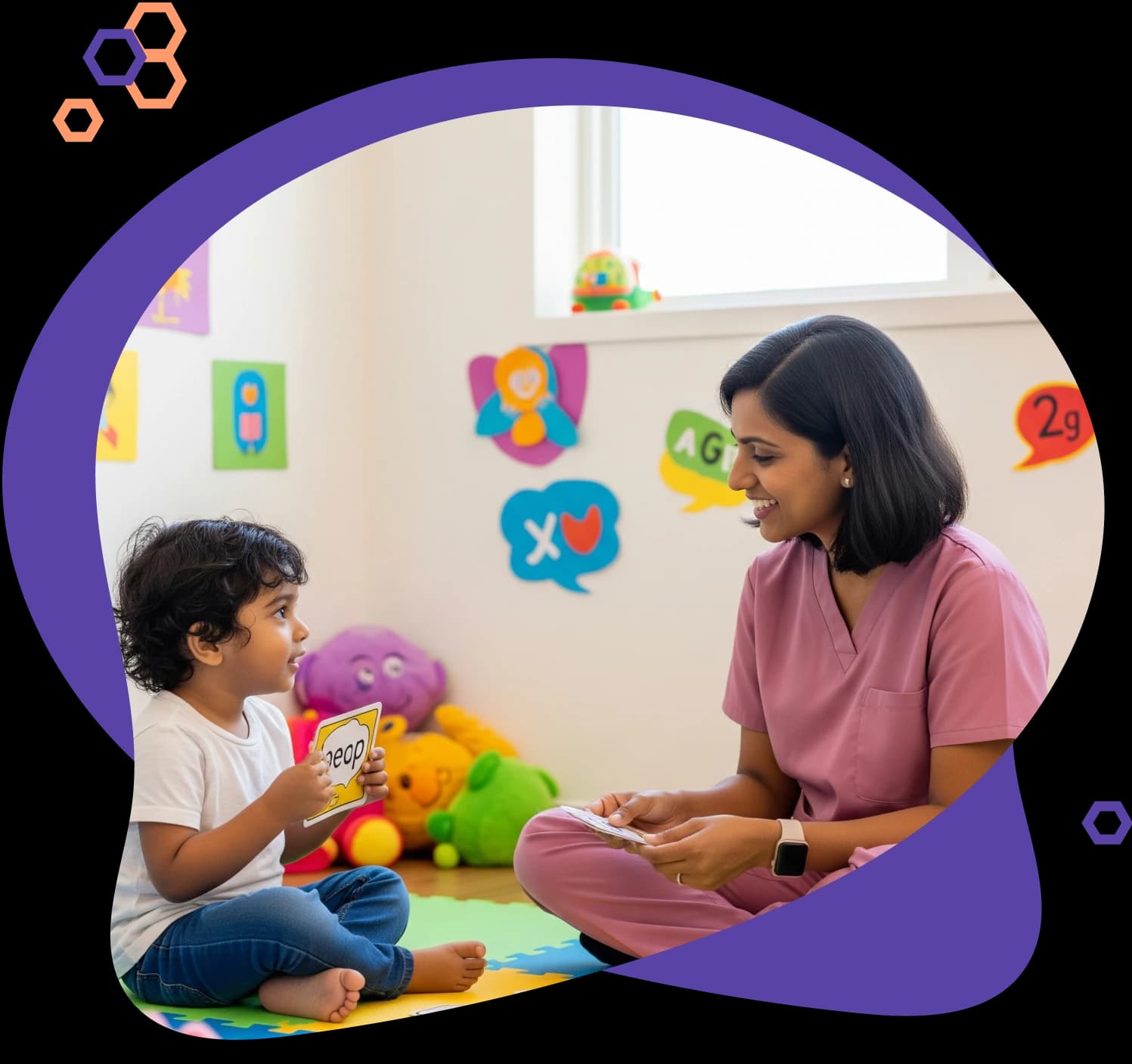
Does This Sound Familiar to You?

- Covers their ears or avoids noisy places
- Refuses certain clothes, tags, textures, or foods
- Seeks constant movement — jumping, spinning, crashing
- Has frequent meltdowns without a clear reason
- Struggles with attention, transitions, or regulation
- Appears clumsy, cautious, or unsure of their body
- Finds routines like dressing, bathing, or bedtime stressful
What Is Sensory Integration Therapy?
- Regulate their nervous system
- Respond to sensations in calmer, more adaptive ways
- Participate more comfortably in daily life
How Sensory Integration Therapy Helps?

Calmer Emotions & Fewer Meltdowns
- As sensory regulation improves, children experience less overwhelm and emotional distress.

Better Focus & Attention
- A regulated nervous system supports attention during play, learning, and social interaction.

Improved Body Awareness & Coordination
- Children develop balance, strength, and confidence in their movements.

Easier Daily Routines
- Dressing, eating, bathing, and transitions become less stressful for both child and parent.
More Confident Social Participation
- When children feel comfortable in their bodies, they engage more easily with others.
What Happens in a Sensory Integration Session?
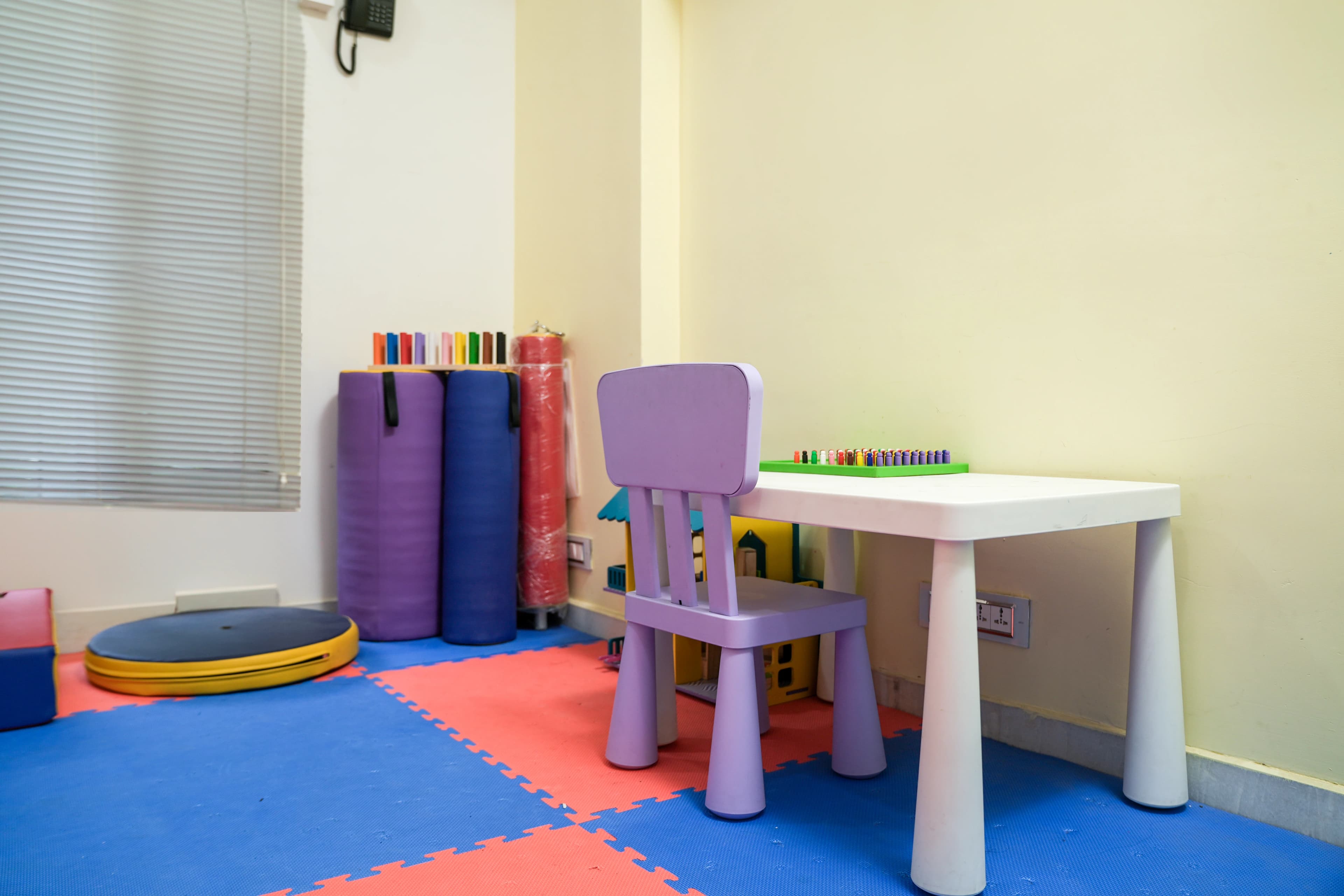
Sessions are child-led, safe, and engaging — never forced. A typical session may include:

Step 1
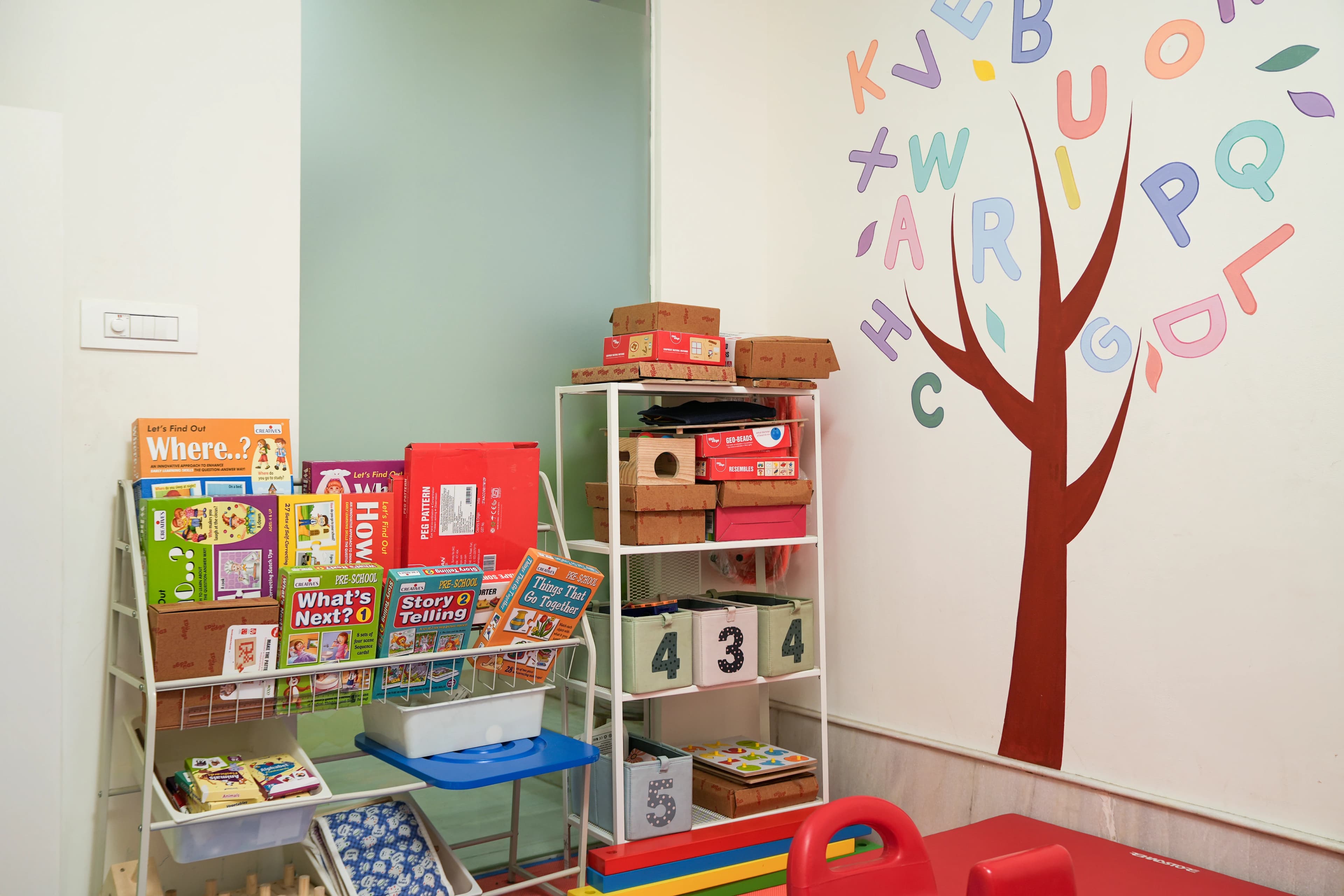
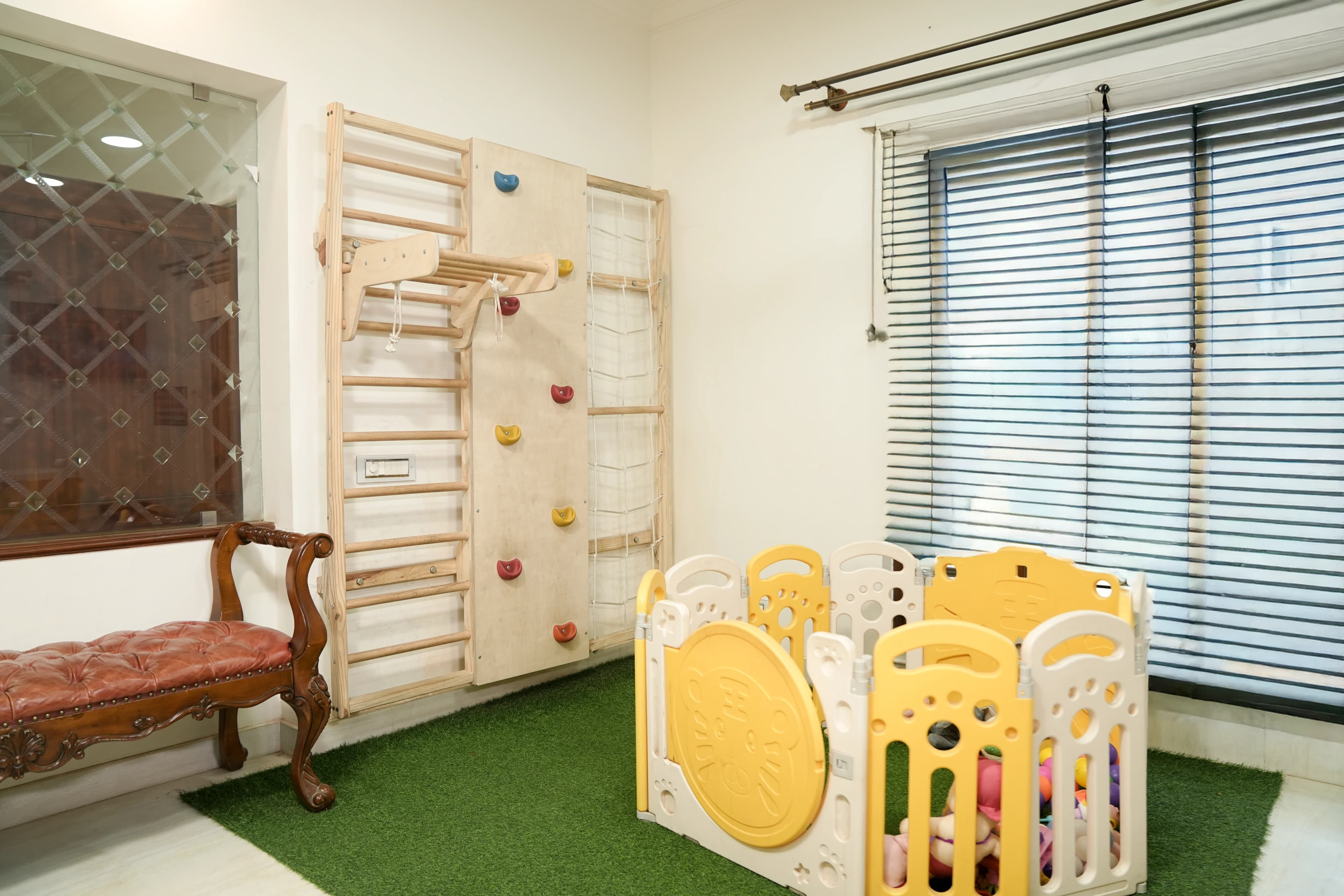
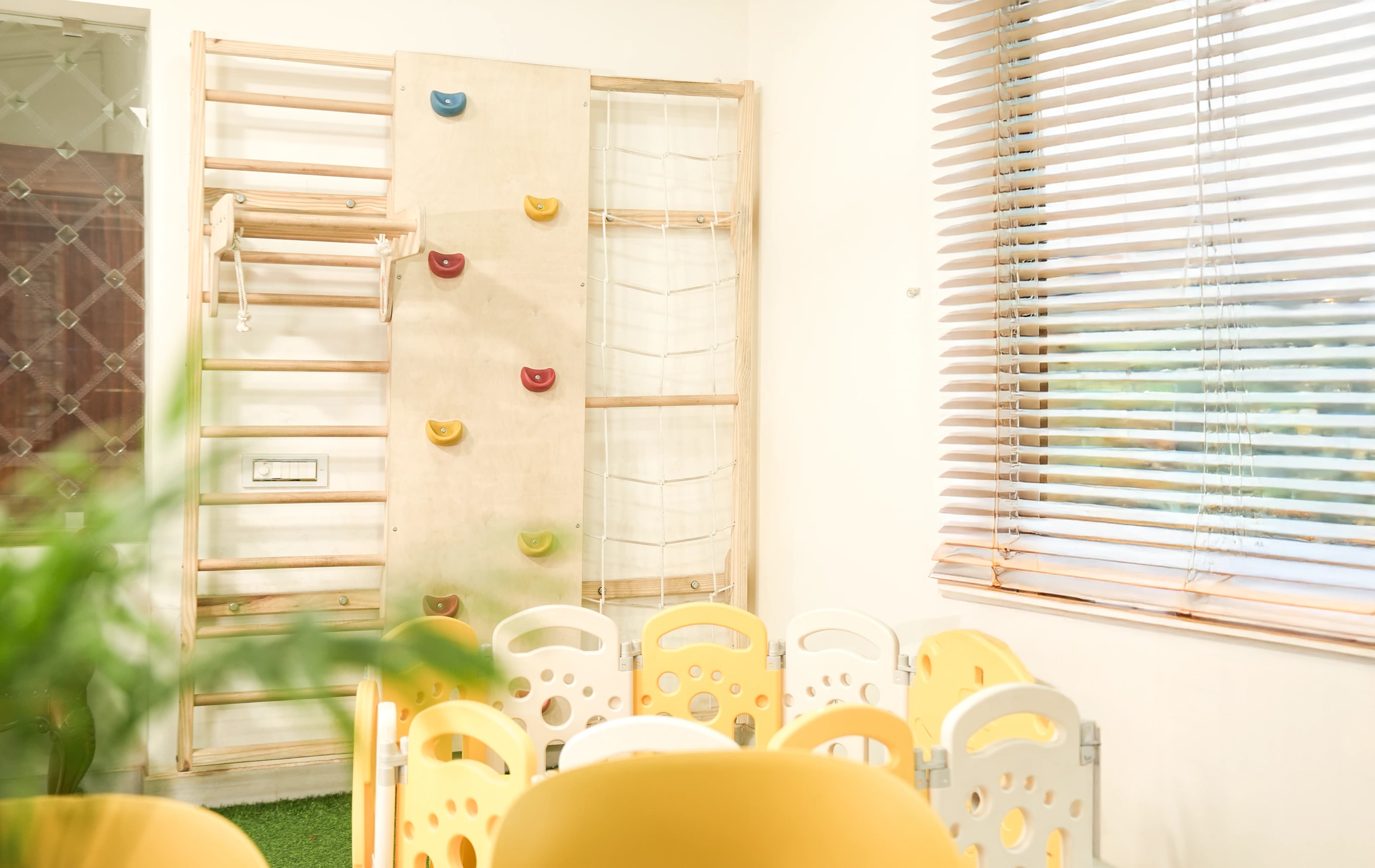
Sessions are play-based and engaging — movement activities like swinging, climbing, balancing, or pushing.

Step 2
Tactile play using different textures and materials to help children explore sensations safely.

Step 3
Deep pressure and proprioceptive activities for regulation and calming the nervous system.

Step 4
Games that support coordination and body awareness in a fun, supportive environment.

Step 5
Gradual, respectful exposure to challenging sensations — never forced, always at the child's pace.
Parents Are an Important Part of Therapy
- Understand your child's sensory profile
- Identify triggers and regulation needs
- Share simple, practical strategies for home and school
- Build sensory-friendly routines into everyday life
When Is Sensory Integration Therapy Helpful?



Sensory Processing Difficulties
.0gxx0nzdo.650.png&w=96&q=75)
Autism Spectrum Disorder (ASD)

ADHD

Developmental Delays

Anxiety or Emotional Regulation Challenges

Our Occupational Therapists & Specialists

Dr Y Lakshmi Pravallika
MBBS, MD (Paediatrics), Fellowship in Neuro Developmental Paediatrics, 8+ Years of Experience


Dr. Aziza Habib (PT)
MPT - Neurology, Sensory Integration Trained, 8+ Years of Experience

Ms. Cicily
Bachelor of Occupational Therapy, 4+ Years of Experience

Ms. Anubhuti
Masters in Physiotherapy (MPT), 5+ Years of Experience

It's different with
BabyMD by your side
We partner with parents

Led by Developmental Pediatrics


100% RCI Certified Psychologists
Prudent Sessions
All Therapists Under One Roof
Personalised Therapy Plans
Parent Coaching & Support





Proof that a little support goes a long way
"We weren't sure what sensory therapy was, but after a few sessions, we saw real changes. Our daughter is calmer, more focused, and actually enjoys activities she used to avoid."

"The therapists helped us understand why our son reacted the way he did. Now we have strategies that work at home and school. It's made such a difference."

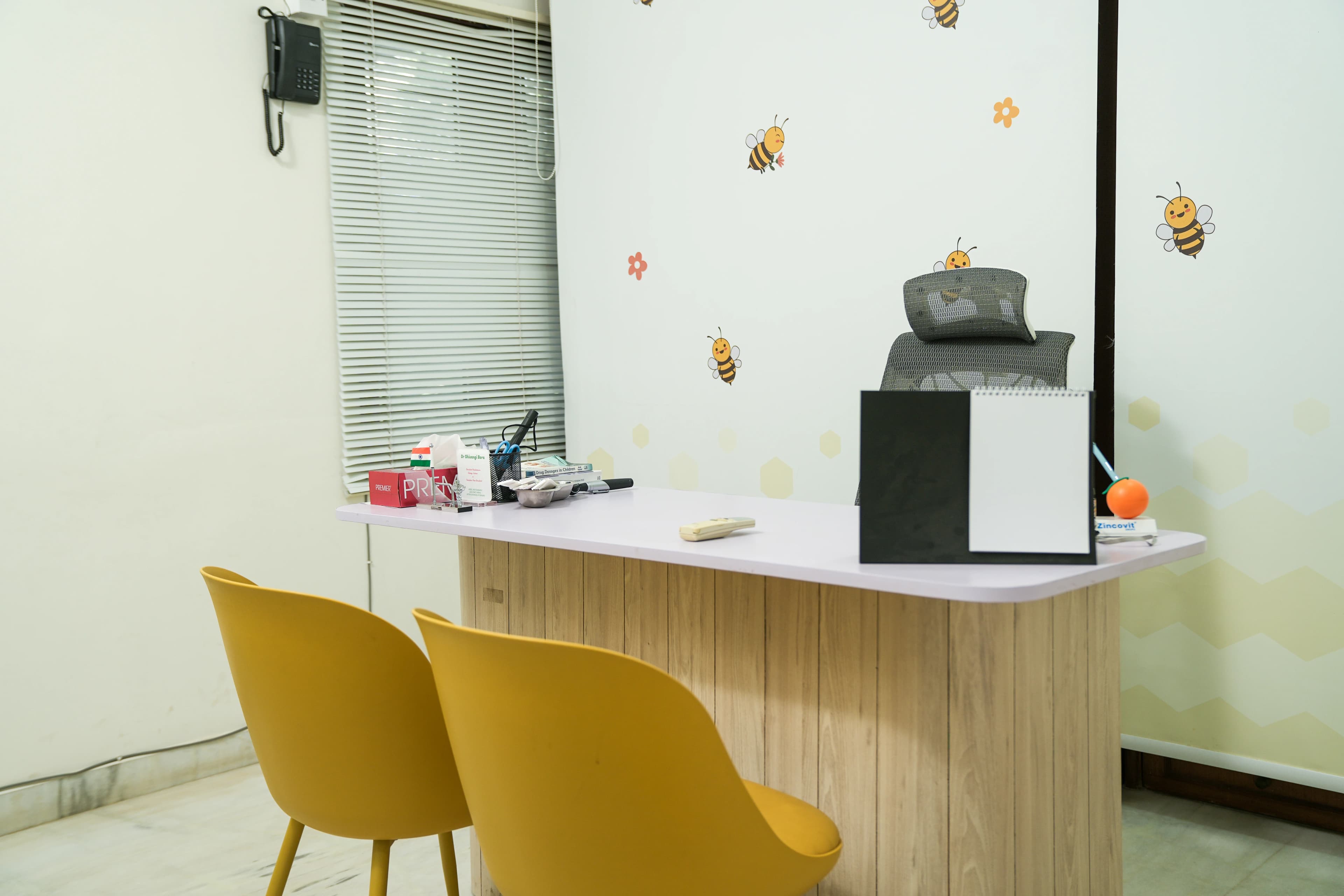
If everyday experiences feel harder than they should for your child — and for you — support can make a meaningful difference.

parents really ask
us(a lot!)
